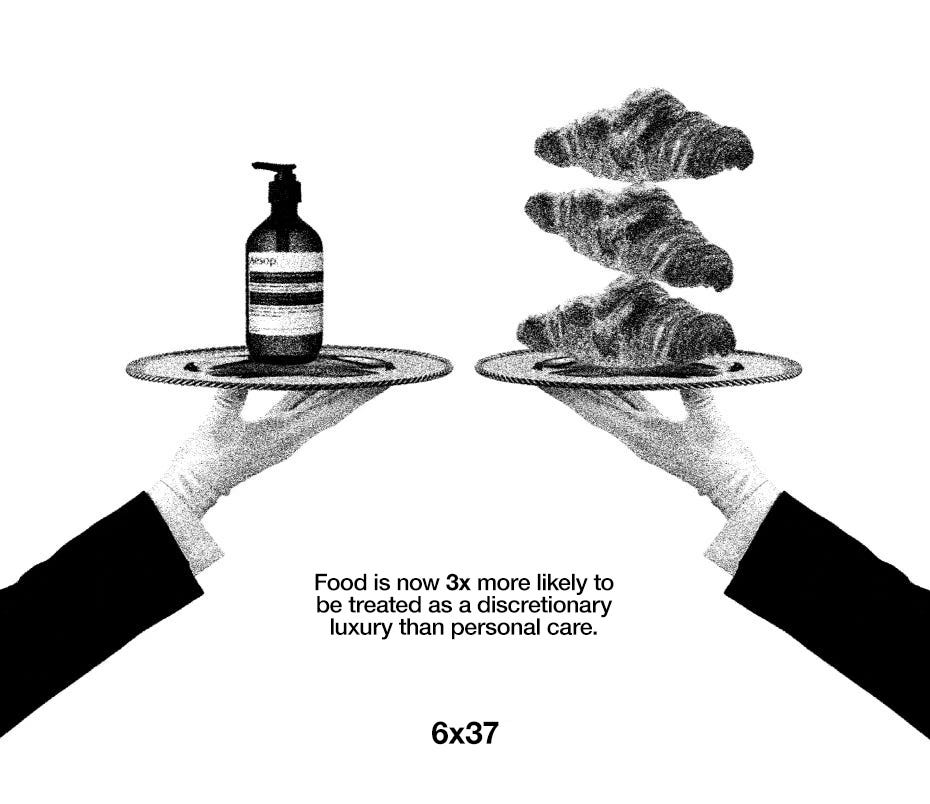
Text
The internet has spent two decades removing friction. Fewer clicks. Shorter forms. Faster checkout. Less reading. Less hesitation. For many products, this is correct. For premium brands, it is incomplete.
Luxury is not the absence of effort. It is the feeling that effort has been deliberately composed. A waiting list, an appointment, a slower reveal, a private intake or a controlled product drop can increase value when the friction has meaning.
Bad friction is confusion.
Broken navigation, vague labels, slow pages and unclear pricing are not luxury. They are failure. Strategic friction must never be confused with poor execution. The user should understand the rule, even if the rule creates distance.
Good friction clarifies the brand’s standards. Bad friction exposes the system’s weakness.
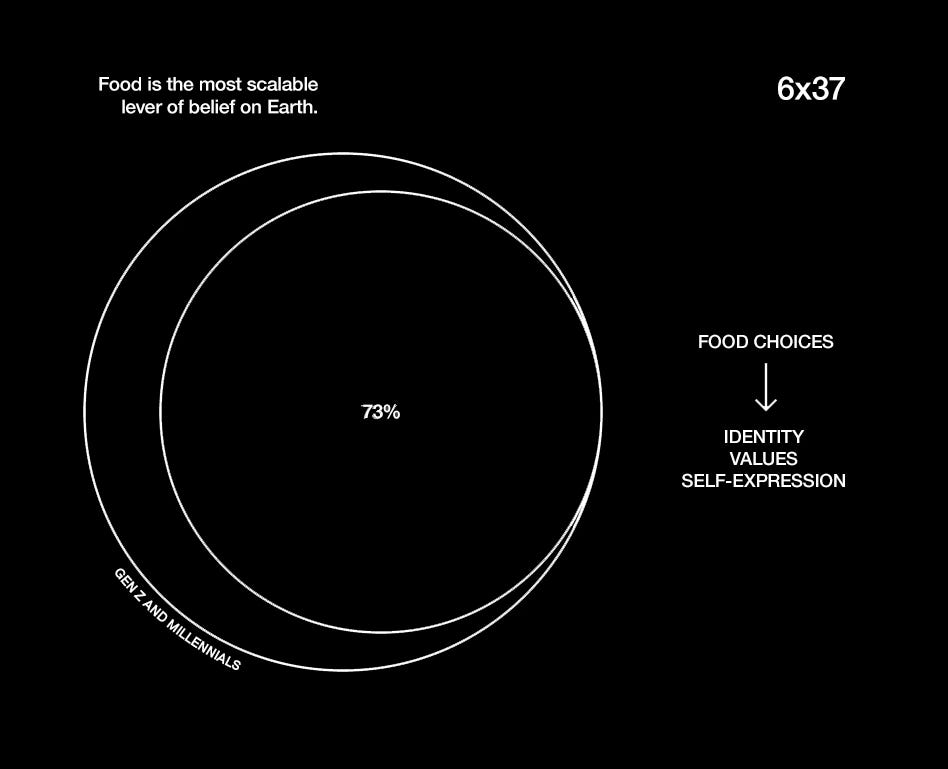
Distance can create value.
Not everything should be immediately available. Availability changes perception. If the interface treats the object as infinitely accessible, the user will often treat it as less important.
A premium digital system can use distance without becoming hostile. The invitation can be precise. The form can be short but selective. The product page can withhold just enough to make inspection feel intentional.
Friction becomes luxury when it protects meaning instead of blocking action.
The craft is knowing where to slow down.
Speed should belong to infrastructure: loading, routing, checkout, search and payment. Slowness, when used, should belong to experience: reveal, editorial rhythm, ceremony and commitment.
The mistake is applying speed everywhere and wondering why the brand feels cheap. Premium systems move fast underneath and carefully on the surface.